






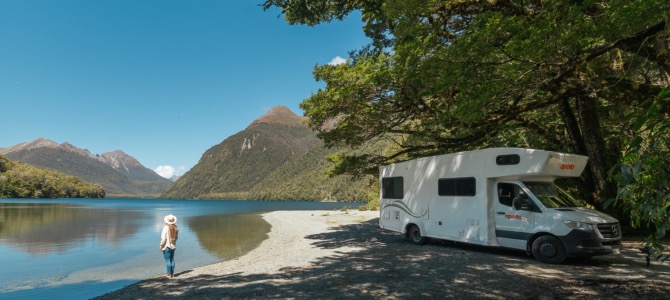
Do You Need to Book Campsites in New Zealand?
In New Zealand, the answer to this question often changes as the day goes on. In the morning, you plan to wing it. By 5:00 pm, after hours of driving, you pull up only to discover that the lakeside holiday park is completely full. So, do you need to book campsites? Yes, sometimes. But not always—and that is exactly where many travelers get it wrong.
When planning a road trip in a campervan or motorhome, you crave freedom. That’s completely natural; it’s one of the greatest joys of hitting the Kiwi roads. However, freedom works best when backed by a little anticipation. Booking every single night months in advance isn’t always necessary, but heading out without any strategy can quickly complicate your journey.
Should You Book Based on the Season?
Seasonality is the biggest factor when deciding whether to lock in your campsites.
-
Peak Summer (December to February): The pressure on campsites skyrockets, especially in popular hotspots. The combination of international tourists and local school holidays creates a bottleneck. In regions like Queenstown, Wanaka, Mount Cook, Abel Tasman, or the Coromandel, the prime spots get snapped up early—especially those with power hookups, unobstructed views, or easy access for large vehicles. During these months, booking isn't a luxury; it's often the difference between a relaxed evening and a stressful race against the clock.
-
Shoulder Season (March–April & October–November): The situation is much more flexible. You can afford to keep things spontaneous, especially if you don't mind staying slightly outside the main tourist hubs. This is often the perfect sweet spot between freedom and security.
-
Winter (June to August): Everything depends on your route. While most coastal areas are quiet, regions centered around ski fields or local winter holidays can still see high demand. You also need to keep in mind that some holiday parks reduce their facilities or close temporarily over the winter months.
Booking vs. Improvising: What is Your Travel Style?
Every traveler has different needs, which is why there is no one-size-fits-all answer.
If this is your first time in New Zealand and you have an ambitious itinerary covering both islands, booking your key stops will give you peace of mind. Distances can look deceptively short on a map, but Kiwi roads are winding and rarely fast. Having a confirmed spot at the end of the day lifts a massive mental weight.
On the other hand, if you’ve been to the country before, are traveling off-season, or are happy to alter your route based on the weather forecast or your energy levels, you can leave more room for improvisation. This flexibility is incredible when you want to extend a hike, spend an extra night in a region you fell in love with, or chase the sunshine to avoid a rainy day.
🚐 Vehicle Size Matters: A small campervan gives you far more overnight options than a large 6-berth motorhome. Some campsites have limited spaces for large vehicles, and maneuvering a massive motorhome through a packed holiday park at dusk is nobody's idea of fun.
Must-Book Regions and Scenarios
There are certain areas and situations where booking ahead is highly recommended:
-
High-Tourism Hotspots: Queenstown, Wanaka, the West Coast (in peak summer), near major National Parks (like Mount Cook or Abel Tasman), and the Coromandel Peninsula, where camping capacity is limited.
-
Holiday Periods: Christmas, New Year, long public holiday weekends, and NZ school holidays fill up campsites rapidly, even in areas that are usually quiet.
-
Ferry Transitions: If you have a fixed booking for the Cook Strait Ferry between the North and South Islands, it is wise to secure your campsites for the nights immediately before and after your crossing. This prevents stressful dash-to-the-dock days.
Practical Rules of Thumb: When to Book Ahead
-
Your First Night: It's highly recommended to book your first night's campsite. On day one, you have a lot to manage: picking up the vehicle, adjusting to driving on the left side of the road, doing a massive grocery run, and getting used to the van's features.
-
Long Hiking Days: Book your site on days when you plan a long trek. You will likely arrive at the campsite late and tired, and you won't want to spend an hour hunting for a vacancy.
-
Long Drive Days: Secure a spot if your route involves more than 5 hours of driving.
-
Early Morning Activities: If you have a confirmed early-morning excursion or ferry crossing the next day, book a close campsite so a 2-hour morning drive doesn't compromise your plans.
Choosing the Right Campsite Type
Not all New Zealand campsites operate the same way. Holiday parks feature online booking systems, allocated sites, comprehensive facilities, and set check-in windows. Conversely, Department of Conservation (DOC) or local community sites are more rustic, often operating on a first-come, first-served basis without late check-in facilities.
Your flexibility also shrinks if you absolutely require a powered site to plug in your vehicle. If you rely heavily on the electric heater, built-in appliances, or maximum comfort, you'll need to plan more rigidly. In peak season, powered sites always sell out long before unpowered ones. Self-contained travelers who are comfortable with fewer amenities can find alternative spots more easily, but even basic sites fill up fast in high-demand zones.
The Danger of Over-Booking
The opposite trap is real too. Over-booking makes your trip rigid, exhausting, and potentially expensive if your plans change. Many visitors underestimate driving times, jet lag at the start of the trip, or simply the desire to slow down and stay longer in a place they fall in love with.
Recommended Approach: The 60/40 Rule Secure the most sensitive milestones—high-demand regions, late arrivals, and holiday periods—while leaving 30% to 40% of your trip completely flexible. This gives you the ultimate balance of freedom and safety on a 2-to-4-week holiday.
If you lock in every single night too early, you risk turning a dream road trip into a timed commuter schedule.
To make your trip breathe, build a realistic itinerary with reasonable driving stages and plan two-night stays in areas that deserve it. This slashes your check-in admin, cuts down on daily driving, and simplifies campsite management.
At DetourNZ, this is exactly where our local expertise comes into play. We regularly see travelers who try to change campsites every single night, and the most common feedback we hear is: "If I could do it over, I would have driven less and cut out 2 or 3 stages."
A Simple Checklist: Should You Book?
Ask yourself these four questions:
-
Are you traveling between December and February?
-
Are you visiting highly popular tourist hubs?
-
Do you absolutely require a powered site with electricity?
-
Is your itinerary tight, with pre-booked activities or ferry crossings?
-
If you answered YES to two or more questions: You should definitely pre-book at least the core sections of your trip.
-
If you answered NO to almost everything: You can enjoy a lot more spontaneity, especially if you are traveling outside the summer peak.
Classic Traveler Mistakes to Avoid
-
The "There's Always Space" Myth: Sometimes there is, but it might not be where you want to stay, or it might lack the facilities you need. This forces you to drive further and later into the night when travel fatigue is setting in.
-
Confusing Freedom with Zero Preparation: A successful road trip keeps a sense of spontaneity, but it relies on a few well-chosen fixed anchor points.
-
Underestimating Travel Times: In New Zealand, you stop much more than expected. Between scenic lookouts, winding roads, grocery stops, and changing weather conditions, the day disappears quickly.
Summary: A Great Budget of Time and Serenity
So, do you need to book campsites? Yes, if you are traveling in peak season, visiting popular areas, traveling with family, driving a large motorhome, or working with a tightly packed schedule. No, not systematically, if you are traveling off-season with a flexible mindset and reasonable expectations about exactly where you’ll sleep each night.
The best approach protects your peace of mind without boxing in your adventure. Book the nights that truly matter, leave some breathing room around them, and keep enough flexibility to enjoy what the open road throws your way. A beautiful road trip in New Zealand isn’t just measured by the kilometers you log—it’s measured by the quality of your evenings, when you switch off the engine without stress because you already know you have a great place to sleep.
Request a quote
|


RECEIVE OUR NEWSLETTERSubscribe today to receive ourbest offers and promotions |
STAY IN TOUCH
|
|


 info@detournz.com